
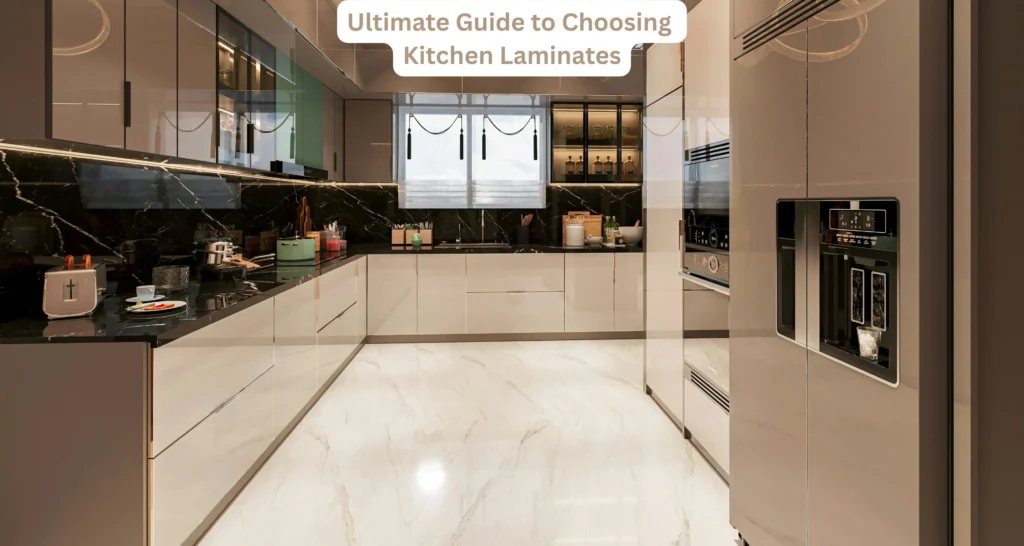
Your kitchen is the heart of your home – a space where functionality meets aesthetics, where family meals are prepared, and memories are created. Choosing the right kitchen laminates can make or break your cooking space. With countless options available in 2026, making the perfect choice requires understanding materials, finishes, durability, and design trends.
This comprehensive guide will walk you through everything you need to know about selecting kitchen laminates that are beautiful, durable, and perfectly suited to Indian cooking styles.
Why Laminates Are Ideal for Indian Kitchens
Indian kitchens face unique challenges that make laminates an excellent choice:
- High Heat Exposure: Multiple cooking sessions, pressure cookers, and traditional cooking methods generate significant heat
- Moisture and Humidity: Boiling, steaming, and washing create humid conditions
- Oil and Grease: Indian cooking involves generous use of oils and ghee that can stain surfaces
- Heavy Daily Use: Multiple family members using the kitchen throughout the day
- Budget-Friendly: Quality laminates offer premium looks without premium prices
- Easy Maintenance: Critical in busy Indian households where time is precious
Quality kitchen laminates handle these challenges while maintaining their beauty for years.
Understanding Kitchen Laminate Types
1. Standard Decorative Laminates (1mm)
Description: The most common type, offering excellent durability and design variety.
Thickness: 1mm (standard kitchen-grade)
Best For:
- Kitchen cabinet shutters
- Drawer fronts
- Interior shelving
- Wardrobe interiors
Advantages:
- Wide range of designs and colors
- Good durability
- Cost-effective
- Easy to install
Considerations: Not suitable for direct countertop use in high-heat areas
2. High-Pressure Laminates (HPL)
Description: Manufactured under high pressure and temperature, creating extremely durable surfaces.
Thickness: 1mm – 1.5mm
Best For:
- Kitchen countertops
- High-traffic commercial kitchens
- Tabletops
- Work surfaces
Advantages:
- Superior heat resistance
- Excellent scratch resistance
- High moisture resistance
- Long-lasting durability
Considerations: Slightly higher cost than standard laminates
3. Compact Laminates
Description: Self-supporting laminates that don’t require a substrate.
Thickness: 6mm – 25mm
Best For:
- Bathroom partitions
- Outdoor kitchen applications
- Commercial kitchen work surfaces
- High-moisture areas
Advantages:
- Waterproof
- Extremely durable
- No substrate needed
- Suitable for wet areas
Considerations: Higher cost, limited residential use
4. Post-Forming Laminates
Description: Specially designed to bend around curved edges.
Best For:
- Countertop edges
- Curved cabinet designs
- Seamless rounded corners
- Modern kitchen designs
Advantages:
- Smooth, seamless edges
- No sharp corners
- Easy to clean
- Contemporary aesthetic
Considerations: Requires special installation equipment
Critical Factors When Choosing Kitchen Laminates
1. Heat Resistance
Why It Matters: Indian kitchens see extreme temperatures from gas stoves, pressure cookers, and hot vessels.
What to Look For:
- Minimum heat resistance: 180°C for cabinet surfaces
- 200°C+ for areas near cooking zones
- HPL grade for countertops
- Heat-resistant certification from the manufacturer
Pro Tip: Even heat-resistant laminates benefit from trivets and hot pads. Never place hot vessels directly on laminate surfaces.
2. Moisture Resistance
Why It Matters: Steam from cooking, water from cleaning, and humidity are constant challenges.
What to Look For:
- Moisture-resistant core material
- Sealed edges to prevent water ingress
- Appropriate for kitchen use (check specifications)
- Anti-bacterial coating (bonus feature)
Installation Tip: Ensure all edges are properly sealed with edge banding to prevent moisture damage.
3. Stain Resistance
Why It Matters: Oil splatters, turmeric stains, and food spills are inevitable in Indian kitchens.
What to Look For:
- Easy-to-clean surface finish
- Non-porous surface
- Stain-resistant coating
- Matte or semi-gloss finishes (hide stains better than high-gloss)
Maintenance Tip: Clean spills immediately, especially acidic substances like lemon juice or tomato.
4. Scratch Resistance
Why It Matters: Daily use, utensils, and cleaning can cause surface damage over time.
What to Look For:
- Abrasion-resistant coating
- Textured finishes (hide minor scratches better)
- Quality brand with good durability ratings
- Thickness of at least 1mm for cabinets
Reality Check: No laminate is completely scratch-proof. Use cutting boards and avoid dragging heavy objects.
5. Ease of Maintenance
Why It Matters: Busy households need surfaces that clean quickly and easily.
What to Look For:
- Smooth, non-porous surface
- Stain-resistant properties
- No special cleaning products required
- Simple daily maintenance
Cleaning Reality: Matte and textured finishes are more forgiving than high-gloss but may require slightly more effort to clean.
Best Laminate Finishes for Different Kitchen Areas
Kitchen Cabinets
Recommended Finishes:
- Matte Finish: Hides fingerprints, scratches, and daily wear
- Textured Wood Grains: Adds depth and character
- Soft Sheen: Balance between matte and gloss
Popular Colors:
- Warm wood tones (walnut, teak, oak)
- Classic whites and creams
- Modern greys
- Two-tone combinations (dark lower cabinets, light upper cabinets)
Why These Work: Cabinet laminates need to look good while hiding everyday wear and tear.
Kitchen Countertops
Recommended Finishes:
- High-Pressure Laminates (HPL)
- Marble or Stone Effects: Luxury look, practical maintenance
- Solid Dark Colors: Hide stains and water marks
- Textured Finishes: Better grip, hides imperfections
Popular Choices:
- White marble effect (classic, timeless)
- Black granite look (dramatic, hides stains)
- Concrete effect (contemporary, industrial)
- Solid neutrals (versatile, easy to match)
Critical Requirement: Always choose countertop-grade laminates with high heat and moisture resistance.
Kitchen Backsplash
Recommended Finishes:
- High-Gloss: Easy to wipe clean
- Stone or Tile Effects: Adds visual interest
- Geometric Patterns: Modern, trendy
- Solid Colors: Clean, minimalist
Popular Designs:
- Subway tile effect
- Moroccan patterns
- Marble veining
- Bold solid colors
Practical Advantage: Laminate backsplashes are much easier to install and maintain than real tiles.
Kitchen Islands
Recommended Finishes:
- Contrasting Colors: Make the island a focal point
- Premium Wood Grains: Add warmth and sophistication
- Metallic Accents: Modern, glamorous
- Bold Solid Colors: Statement pieces
Design Tip: Use a different laminate finish on your island than your main cabinets to create visual interest.
Top 10 Kitchen Laminate Colors and Designs for 2026
1. Classic White Oak
Why It’s Popular: Light, airy, makes small kitchens feel spacious
Best Combined With:
- White or grey countertops
- Stainless steel appliances
- Brass or black hardware
Kitchen Style: Scandinavian, modern, contemporary
2. Rich Walnut
Why It’s Popular: Sophisticated, warm, timeless appeal
Best Combined With:
- White marble effect countertops
- Cream walls
- Gold or bronze hardware
Kitchen Style: Traditional, transitional, luxury modern
3. Matte Black
Why It’s Popular: Dramatic, bold, ultra-modern
Best Combined With:
- White countertops
- Metallic accents
- Open shelving
Kitchen Style: Contemporary, industrial, minimalist
4. Soft Grey
Why It’s Popular: Versatile, calming, sophisticated
Best Combined With:
- White or grey marble countertops
- Stainless steel
- Chrome or brushed nickel hardware
Kitchen Style: Contemporary, transitional, modern farmhouse
5. Two-Tone Combinations
Why It’s Popular: Adds depth, defines zones, creates visual interest
Popular Combos:
- Navy blue lower cabinets + white upper cabinets
- Walnut base + white oak uppers
- Grey lower + white upper
Kitchen Style: Modern, eclectic, transitional
6. Sage Green
Why It’s Popular: Fresh, trendy, brings nature indoors
Best Combined With:
- White or cream countertops
- Brass hardware
- Natural wood accents
Kitchen Style: Contemporary, Scandinavian, farmhouse
7. White Marble Effect
Why It’s Popular: Luxurious look without the marble price tag
Best For: Countertops, backsplash, island tops
Best Combined With:
- Warm wood cabinets
- Gold or brass fixtures
- Neutral walls
Kitchen Style: Luxury, traditional, transitional
8. Concrete Finish
Why It’s Popular: Industrial-chic, modern, unique
Best Combined With:
- Wood cabinets
- Black hardware
- Minimalist design
Kitchen Style: Industrial, loft-style, contemporary
9. Teak Wood Grain
Why It’s Popular: Traditional Indian appeal, warm, inviting
Best Combined With:
- Granite-look countertops
- Traditional brass hardware
- Warm lighting
Kitchen Style: Traditional Indian, classic, warm contemporary
10. Navy Blue
Why It’s Popular: Rich, elegant, makes a statement
Best Combined With:
- White or light grey countertops
- Gold or brass hardware
- Neutral walls
Kitchen Style: Modern, traditional, coastal
Small Kitchen Design Tips with Laminates
Make It Feel Larger
- Light Colors: Use white, cream, or light wood laminates to reflect light
- High-Gloss Finishes: Reflective surfaces create depth
- Vertical Patterns: Wood grains running vertically add height
- Uniform Color: Same laminate on all cabinets creates cohesion
Maximize Storage
- Full-Height Cabinets: Use laminates that draw the eye up
- Handleless Designs: Sleek laminate cabinets with push-to-open mechanisms
- Light Interiors: Light-colored laminates inside cabinets make items easier to see
- Reflective Backsplash: High-gloss laminate backsplash bounces light
Smart Color Choices
- Avoid: Dark colors in small kitchens (unless you have excellent lighting)
- Best: White oak, light grey, soft white, pale pastels
- Accent: Use darker laminates on lower cabinets only
Modular Kitchen Laminate Considerations
Standard Modular Kitchen Sizes
Most modular kitchens use standardized components:
Base Cabinets:
- Height: 34-36 inches
- Depth: 24 inches
- Width: Varies (18″, 24″, 30″, 36″)
Wall Cabinets:
- Height: 30-42 inches
- Depth: 12-15 inches
- Width: Matches base units
Laminate Sheet Sizes:
- Standard: 8 feet x 4 feet
- Calculate requirements based on cabinet dimensions
- Add 10-15% extra for wastage
Cost Estimation
Per Square Foot Laminate Cost (2026):
- Standard laminates: ₹120-200 per sq ft
- Premium designer laminates: ₹200-350 per sq ft
- High-gloss laminates: ₹180-300 per sq ft
- HPL countertop laminates: ₹250-450 per sq ft
Sample 10×10 Kitchen Budget:
- Cabinet laminates: ₹15,000-25,000
- Countertop laminates: ₹8,000-15,000
- Edge banding: ₹2,000-4,000
- Installation: ₹5,000-10,000
- Total: ₹30,000-54,000
Prices vary by location, brand, and finish selected
Installation Best Practices
Pre-Installation Checklist
- Acclimate laminates in the kitchen for 48 hours
- Ensure substrate (plywood/MDF) is dry and level
- Check for moisture issues in the kitchen
- Plan layout to minimize visible seams
- Have proper ventilation during installation
Professional vs. DIY Installation
When to Hire Professionals:
- Complex kitchen layouts
- Expensive, premium laminates
- Countertop laminate installation
- Post-forming or curved edges
- No prior experience
When DIY Might Work:
- Simple cabinet refacing
- Straight edge applications
- Good carpentry skills
- Budget constraints
- Non-critical areas
Reality Check: Kitchen laminate installation affects both appearance and durability. Professional installation is usually worth the investment.
Edge Banding Importance
Why It Matters:
- Prevents moisture ingress
- Creates a finished look
- Protects laminate edges
- Increases longevity
Types of Edge Banding:
- PVC Edge Bands: Most common, cost-effective
- ABS Edge Bands: More durable than PVC
- Veneer Edge Bands: Natural wood look
- Acrylic Edge Bands: High-gloss finishes
Match edge banding color exactly to your laminate for seamless appearance.
Maintenance Guide for Kitchen Laminates
Daily Care
Do:
- Wipe spills immediately
- Use soft, damp cloth for cleaning
- Dry surfaces after washing
- Use cutting boards for chopping
- Place hot pads under hot vessels
Don’t:
- Use abrasive scrubbers
- Apply harsh chemicals or bleach
- Place hot pots directly on surface
- Use excessive water
- Drag heavy objects across surface
Weekly Cleaning
Cleaning Solution:
- Mix mild dish soap with warm water
- Dampen soft cloth (don’t saturate)
- Wipe in direction of wood grain (for wood finishes)
- Dry immediately with clean cloth
- Polish with laminate-specific cleaner monthly
Stain Removal
For Oil/Grease:
- Apply baking soda paste
- Let sit for 10-15 minutes
- Wipe with damp cloth
- Dry thoroughly
For Turmeric Stains:
- Create paste with baking soda and water
- Apply and let sit for 30 minutes
- Gently scrub with soft cloth
- Rinse and dry
For Water Marks:
- Wipe with dry cloth
- Apply small amount of cooking oil
- Buff with soft cloth
- Clean with mild soap solution
Stubborn Stains:
- Use isopropyl alcohol (test in hidden area first)
- Apply with cotton ball
- Wipe clean immediately
- Dry thoroughly
Common Kitchen Laminate Mistakes to Avoid
1. Choosing Style Over Functionality
Mistake: Selecting beautiful high-gloss white laminates for a busy family kitchen
Why It’s Wrong: Shows every fingerprint, scratch, and requires constant cleaning
Better Choice: Matte or textured laminates in medium tones
2. Ignoring Heat Resistance
Mistake: Using standard decorative laminates for countertops near the stove
Why It’s Wrong: Risk of heat damage, warping, and discoloration
Better Choice: HPL grade laminates specifically rated for countertop use
3. Mismatched Edge Banding
Mistake: Using different color edge banding than the laminate
Why It’s Wrong: Creates unprofessional appearance, visible color lines
Better Choice: Always match edge banding exactly to laminate color
4. Improper Sealing
Mistake: Leaving exposed edges or gaps unsealed
Why It’s Wrong: Moisture ingress leads to swelling, peeling, and damage
Better Choice: Seal all edges properly with edge banding or sealant
5. Incompatible Cleaning Products
Mistake: Using bleach, acetone, or abrasive cleaners
Why It’s Wrong: Damages laminate surface, causes discoloration
Better Choice: Mild soap and water, laminate-specific cleaners
Laminate vs. Other Kitchen Materials
Laminates vs. Solid Wood
Laminates Win:
- Much more affordable
- Better moisture resistance
- No termite issues
- Consistent color and pattern
- Easy maintenance
Solid Wood Wins:
- Natural beauty
- Can be refinished
- Long-term durability (if maintained)
- Higher resale value
Verdict: For most Indian kitchens, laminates offer better value and practicality
Laminates vs. Membrane/PU Finish
Laminates Win:
- More affordable
- Better heat resistance
- Easier to repair
- More design variety
Membrane/PU Wins:
- Seamless finish
- Better for curved surfaces
- Easier to clean
- Modern aesthetic
Verdict: Depends on budget and design preference; laminates more practical
Laminates vs. Acrylic
Laminates Win:
- More affordable
- Better scratch resistance
- Matte finish options
- Heat resistant
Acrylic Wins:
- High-gloss finish
- Seamless look
- Water resistant
- Premium appearance
Verdict: Laminates better for full kitchen; acrylic nice for accents
Sustainability and Health Considerations
Eco-Friendly Laminate Options
Look For:
- Low VOC (Volatile Organic Compounds) emissions
- E0 or E1 grade certification
- FSC certified materials
- Formaldehyde-free adhesives
- Recycled content
Why It Matters:
- Better indoor air quality
- Healthier for your family
- Environmental responsibility
- Safer for children and pets
Anti-Bacterial Laminates
What They Are: Laminates with built-in antimicrobial protection
Benefits:
- Reduces bacteria growth
- Better hygiene
- Especially useful in kitchen applications
- Long-lasting protection
Brands Offering: Several premium manufacturers now offer this feature
Future Trends in Kitchen Laminates
Technology Integration
- Smart Laminates: Touch-sensitive surfaces
- LED Integration: Backlit laminate panels
- Wireless Charging: Countertops with built-in charging
- Temperature Indicators: Color-changing heat indicators
Design Trends
- Bold Colors: Moving away from all-white kitchens
- Mixed Materials: Combining laminates with other finishes
- Textured Surfaces: 3D and tactile finishes
- Sustainable Options: Eco-friendly becoming standard
Enhanced Performance
- Self-Healing: Laminates that repair minor scratches
- Super-Matte: Ultra-matte finishes that repel fingerprints
- Enhanced Heat Resistance: Even better temperature tolerance
- Improved Moisture Barriers: Better protection in humid conditions
Regional Considerations for India
North India (Delhi, Punjab, Haryana)
Climate: Extreme heat in summer, cold winters
Best Choices:
- Temperature-stable laminates
- Dark colors (hide dust)
- Textured finishes
South India (Kerala, Tamil Nadu, Karnataka)
Climate: High humidity year-round
Best Choices:
- Moisture-resistant laminates
- Anti-fungal properties
- Sealed edges crucial
West India (Mumbai, Gujarat)
Climate: Coastal humidity, salt air
Best Choices:
- Corrosion-resistant hardware
- Moisture-resistant laminates
- Easy-to-clean finishes
East India (Kolkata, Odisha)
Climate: High humidity, heavy monsoons
Best Choices:
- Superior moisture resistance
- Anti-fungal treatments
- Proper sealing essential
Conclusion
Choosing the perfect kitchen laminate in 2026 comes down to balancing aesthetics with functionality. Indian kitchens demand surfaces that can withstand high heat, moisture, oil splatters, and heavy daily use – all while looking beautiful and fitting within budget.
Key Takeaways:
- Prioritize Functionality: Choose heat and moisture-resistant laminates for kitchen use
- Match Your Lifestyle: Consider your cooking style and maintenance capacity
- Invest in Quality: Premium laminates from trusted brands last longer
- Proper Installation: Professional installation ensures durability
- Regular Maintenance: Daily care keeps laminates looking new for years
Whether you’re renovating your existing kitchen or designing a new modular kitchen, the right laminate choice will serve you well for 10-15 years or more. Take time to visit showrooms, feel the textures, see colors in different lighting, and consult with experts.
Ready to transform your kitchen? Visit Supalam’s showrooms to explore the complete range of kitchen-grade laminates, get expert guidance, and see actual installations. Our team can help you choose the perfect laminates that match your style, budget, and practical needs.
About Supalam Kitchen Laminates
Supalam offers a comprehensive range of kitchen-specific laminates designed for Indian cooking conditions. Our kitchen laminate collection includes:
- Heat-resistant countertop laminates
- Moisture-resistant cabinet laminates
- Easy-clean backsplash options
- Matching edge bands
- Complete kitchen solutions
Visit www.supalam.com to explore our kitchen laminate collection or visit our showrooms in Delhi, Haryana, and Uttar Pradesh for hands-on experience.