
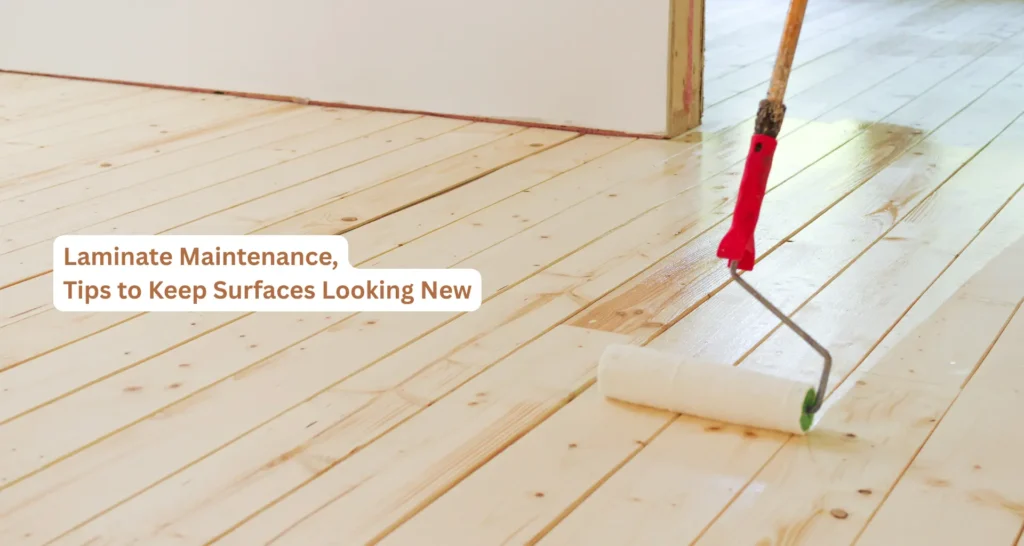
You’ve invested in beautiful decorative laminates for your home – whether it’s your sleek kitchen cabinets, elegant bedroom wardrobes, or sophisticated living room furniture. Now comes the important question: How do you keep them looking brand new for years to come?
The good news is that laminate surfaces are among the easiest materials to maintain. With the right care routine and a few expert tips, your laminates can maintain their beauty and functionality for 15-20 years or more. This comprehensive guide covers everything you need to know about laminate care, from daily cleaning to tackling tough stains and preventing common damage.
Why Proper Laminate Maintenance Matters
Before diving into the how-to, let’s understand why maintenance is crucial:
Longevity: Proper care can double the lifespan of your laminates (from 10 years to 20+ years)
Appearance: Regular maintenance prevents dullness, discoloration, and visible wear
Hygiene: Clean laminates mean healthier living spaces, especially in kitchens and bathrooms
Value: Well-maintained laminates increase property resale value
Cost Savings: Preventive care is far cheaper than replacement or repair
Warranty Protection: Many manufacturers require proper maintenance for warranty validity
Understanding Your Laminate Surface
Not all laminates are created equal. Understanding your specific laminate type helps you maintain it properly.
Common Laminate Finishes
1. Matte Finish
- Appearance: Non-reflective, subtle surface
- Pros: Hides fingerprints and scratches well
- Cons: May require slightly more effort to clean
- Best For: Kitchen cabinets, high-use furniture
2. High-Gloss Finish
- Appearance: Shiny, reflective surface
- Pros: Easy to wipe clean, dramatic appearance
- Cons: Shows fingerprints, smudges, and scratches easily
- Best For: Modern furniture, accent pieces
3. Textured Finish
- Appearance: Tactile surface with patterns or grains
- Pros: Hides imperfections, adds depth
- Cons: Dirt can settle in grooves
- Best For: Wood-grain designs, contemporary patterns
4. Semi-Gloss/Satin Finish
- Appearance: Subtle sheen, balanced finish
- Pros: Balance of easy cleaning and forgiving appearance
- Cons: None significant
- Best For: Versatile for all applications
Daily Laminate Care Routine
The key to maintaining beautiful laminates is consistency. A simple daily routine prevents buildup and damage.
Morning Quick Clean (5 minutes)
Kitchen Surfaces:
- Wipe down cabinet fronts with dry microfiber cloth
- Check for overnight spills or splatters
- Remove any grease spots immediately
- Dry any water droplets near sink
Living Areas:
- Dust furniture surfaces
- Wipe down frequently touched areas
- Check for any accidental scratches or marks
Bathrooms:
- Wipe down vanity surfaces
- Remove water droplets
- Check cabinet fronts for moisture
Evening Cleaning (10 minutes)
After Cooking:
- Wipe cabinet fronts near stove with damp cloth
- Remove any oil splatters immediately
- Clean handles and frequently touched areas
- Dry all surfaces thoroughly
General:
- Remove any stains or spills from the day
- Check for water marks
- Wipe high-touch surfaces
- Ensure all surfaces are dry before bed
Essential Daily Care Tools
Must-Haves:
- Soft microfiber cloths (at least 5-6)
- Dry soft cloths for drying
- Mild dish soap
- Spray bottle for cleaning solution
- Clean water source
Good to Have:
- Laminate-specific cleaner
- Soft-bristle brush for textured surfaces
- Rubber squeegee for water removal
Weekly Deep Cleaning Routine
Once a week, give your laminates a thorough cleaning to maintain their pristine condition.
Step-by-Step Weekly Cleaning
Step 1: Prepare Cleaning Solution
Homemade Solution (Most Recommended):
- 2 cups warm water
- 2 tablespoons mild dish soap
- Mix in spray bottle
Alternative Solutions:
- 1 part white vinegar + 3 parts water (for tough grime)
- Commercial laminate cleaner (follow instructions)
- Baby shampoo + water (gentle option)
Step 2: Dust First
Use dry microfiber cloth to remove all dust and loose dirt. This prevents scratching during wet cleaning.
Step 3: Apply Cleaning Solution
- Spray lightly on laminate surface
- Never spray directly on joints or edges
- Avoid over-wetting the surface
- Work in small sections
Step 4: Wipe Clean
- Use soft, damp (not wet) cloth
- Wipe in direction of wood grain for wood-finish laminates
- Use circular motion for solid colors
- Avoid excessive pressure
Step 5: Dry Immediately
- Use clean, dry microfiber cloth
- Ensure no moisture remains
- Pay special attention to edges and seams
- Buff to restore shine (for glossy finishes)
Step 6: Inspect
- Check for any missed spots
- Look for new scratches or damage
- Identify areas needing special attention
Special Attention Areas
Cabinet Handles and Knobs:
- Clean with soapy water
- Dry thoroughly to prevent tarnishing
- Polish metal hardware monthly
Edges and Seams:
- Gently wipe, don’t soak
- Check for any lifting or gaps
- Dry immediately and thoroughly
Corners and Crevices:
- Use soft brush if needed
- Ensure no water accumulation
- Dry completely
Stain Removal Guide
Despite best efforts, stains happen. Here’s how to tackle common stains on laminate surfaces.
Oil and Grease Stains
Fresh Stains (Easiest):
- Blot with dry paper towel
- Spray with dish soap solution
- Wipe with damp cloth
- Dry immediately
Dried Grease:
- Apply baking soda paste (3 parts baking soda, 1 part water)
- Let sit for 10-15 minutes
- Gently rub with soft cloth
- Wipe with damp cloth
- Dry thoroughly
Stubborn Oil:
- Apply small amount of cooking oil
- Let sit for 2-3 minutes
- Wipe with soapy water
- Clean with regular solution
- Dry completely
Turmeric and Curry Stains
The bane of Indian kitchens! Turmeric is particularly stubborn.
Immediate Treatment:
- Wipe away excess immediately
- Apply baking soda paste
- Let sit 15-20 minutes
- Gently scrub with soft cloth
- Rinse and dry
Set-in Turmeric:
- Make paste: Baking soda + lemon juice
- Apply to stain
- Let sit 30 minutes
- Gentle circular rubbing
- Rinse thoroughly
- Dry completely
Alternative Method:
- Apply white toothpaste (non-gel)
- Let sit 20 minutes
- Gently rub with soft cloth
- Wipe clean
- Dry
Water Marks and Rings
Recent Water Marks:
- Wipe immediately with dry cloth
- If ring forms, buff with dry cloth
- Apply tiny amount of cooking oil
- Buff with clean cloth
- Wipe with soapy water
- Dry completely
Stubborn Water Rings:
- Mix equal parts white vinegar and olive oil
- Apply with soft cloth
- Gently rub in circular motion
- Wipe clean
- Dry thoroughly
Coffee and Tea Stains
Fresh Stains:
- Blot immediately
- Wipe with damp cloth
- Use mild soap solution if needed
- Dry
Set Stains:
- Apply baking soda paste
- Let sit 15 minutes
- Gentle rubbing
- Rinse and dry
Ink and Marker Stains
Ballpoint Pen:
- Apply small amount of isopropyl alcohol (70%) on cotton ball
- Gently dab (don’t rub)
- Wipe with damp cloth
- Dry immediately
Permanent Marker:
- Apply non-acetone nail polish remover on cotton swab
- Test in hidden area first
- Gently dab the stain
- Wipe clean immediately
- Dry thoroughly
Important: Always test any solvent in an inconspicuous area first!
Food Stains
Tomato/Ketchup:
- Wipe immediately
- Use baking soda paste if dried
- Rinse and dry
Chocolate:
- Let harden first (easier to remove)
- Gently scrape with plastic spatula
- Clean with soapy water
- Dry
Sticky Substances:
- Apply ice cube to harden
- Gently scrape with plastic card
- Clean with soapy water
- Dry
Preventing Common Laminate Damage
Prevention is always better than cure. Follow these guidelines to avoid damage.
Heat Protection
Do’s:
- Always use trivets under hot pots
- Use heat pads under appliances that generate heat
- Keep hot items at least 6 inches from laminate surfaces
- Allow cookware to cool before placing near laminates
Don’ts:
- Never place hot pans directly on laminate
- Don’t use laminates as cutting boards
- Avoid placing heat-generating appliances directly on laminate counters
- Don’t lean hot hair styling tools against laminate surfaces
Heat Damage Signs:
- Discoloration
- Bubbling
- Warping
- White marks
If Heat Damage Occurs:
- Minor marks: Try rubbing with baking soda paste
- Severe damage: Consult professional for repair/replacement
- Prevention: Use heat-resistant mats consistently
Scratch Prevention
Do’s:
- Use placemats and coasters
- Lift items rather than dragging
- Keep sharp objects away
- Use felt pads under decorative items
- Trim pet nails regularly
Don’ts:
- Don’t use laminate as cutting surface
- Avoid abrasive cleaners
- Don’t place keys or sharp objects directly on surface
- Never use steel wool or harsh scrubbers
Minor Scratch Treatment:
- Clean the area
- Apply laminate repair paste (matching color)
- Follow product instructions
- Buff gently when dry
Moisture Protection
Do’s:
- Wipe spills immediately
- Ensure edge banding is intact
- Use coasters under all beverages
- Dry surfaces thoroughly after cleaning
- Maintain good ventilation in humid areas
Don’ts:
- Don’t let water pool on surfaces
- Avoid excessive water during cleaning
- Never soak laminates
- Don’t ignore damaged edge banding
Moisture Damage Signs:
- Edge swelling
- Bubbling
- Delamination
- Mold growth
Prevention:
- Check and repair edge banding immediately if damaged
- Use exhaust fans in kitchens and bathrooms
- Wipe condensation from surfaces
- Address leaks immediately
Chemical Protection
Safe Cleaning Agents:
- Mild dish soap
- White vinegar (diluted)
- Baking soda
- Laminate-specific cleaners
- Baby shampoo
Avoid These:
- Bleach
- Ammonia-based cleaners
- Abrasive powders
- Acetone (except spot treatment)
- Strong acids
- Undiluted vinegar
- Furniture polish (wax buildup)
If Chemical Damage Occurs:
- Rinse immediately with water
- Wipe dry
- Assess damage
- Contact manufacturer if severe
Special Care for Different Rooms
Kitchen Laminate Care
Daily:
- Wipe cabinet fronts after cooking
- Remove grease splatters immediately
- Clean handles/knobs
- Check for moisture near sink
Weekly:
- Deep clean all surfaces
- Check edge banding integrity
- Clean inside cabinets monthly
- Polish hardware
Common Kitchen Challenges:
- Grease buildup: Use degreasing dish soap
- Turmeric stains: Baking soda paste treatment
- Water damage: Ensure good ventilation
- Heat exposure: Always use trivets
Bathroom Laminate Care
Daily:
- Wipe down vanity after use
- Remove toothpaste splatters
- Dry all surfaces
- Ensure good ventilation
Weekly:
- Deep clean with mild solution
- Check for moisture damage
- Clean around sink area thoroughly
- Inspect edge banding
Common Bathroom Challenges:
- Moisture exposure: Run exhaust fan during and after showers
- Cosmetic stains: Remove immediately
- Watermarks: Dry surfaces regularly
- Mold prevention: Good ventilation essential
Bedroom Laminate Care
Weekly:
- Dust wardrobe surfaces
- Wipe handles
- Check for scratches
- Clean with mild solution
Monthly:
- Deep clean wardrobe interiors
- Check for moisture (especially in humid climates)
- Inspect for any damage
- Reorganize to prevent overloading
Common Bedroom Challenges:
- Dust accumulation: Regular dusting prevents buildup
- Cosmetic spills: Clean immediately
- Scratches from jewelry: Use felt-lined trays
Living Room Laminate Care
Weekly:
- Dust TV units and display cabinets
- Wipe with mild solution
- Check for water rings from beverages
- Clean glass surfaces
Monthly:
- Deep clean all surfaces
- Polish if needed (matte finish only)
- Check behind furniture for moisture
- Inspect for damage
Products to Use and Avoid
Recommended Products
For Daily Cleaning:
- Microfiber cloths (Cello, Scotch-Brite)
- Mild dish soap (Vim, Pril)
- Spray bottles
For Weekly Cleaning:
- Laminate-specific cleaners (if needed)
- White vinegar (diluted)
- Baking soda
For Stain Removal:
- Baking soda
- Isopropyl alcohol (70-90%)
- Non-acetone nail polish remover
- White toothpaste (non-gel)
For Protection:
- Trivets and hot pads
- Coasters
- Felt pads
- Placemats
Products to Avoid
Never Use:
- Bleach or chlorine cleaners
- Abrasive powders (Vim bar, Ajax)
- Steel wool or harsh scrubbers
- Ammonia-based cleaners
- Undiluted acids
- Wax-based polishes (cause buildup)
- Steam cleaners (excessive moisture)
Seasonal Maintenance Tips
Monsoon Season Care
Challenges: High humidity, moisture exposure, mold risk
Extra Care:
- Run dehumidifiers in rooms
- Ensure excellent ventilation
- Check edge banding frequently
- Dry surfaces extra thoroughly
- Use moisture absorbers in cabinets
- Inspect for mold weekly
Summer Care
Challenges: Heat exposure, dust, humidity in some regions
Extra Care:
- Keep rooms cool (prevent heat damage)
- Dust more frequently
- Check for heat-related warping
- Ensure AC rooms don’t have excessive condensation
- Use curtains to prevent sun damage on laminates
Winter Care
Challenges: Condensation, heating effects, low humidity
Extra Care:
- Wipe condensation from windows
- Don’t place room heaters too close to laminates
- Maintain moderate room temperature
- Check for drying/shrinking in very dry climates
Professional Maintenance Tips
When to Call Professionals
Signs You Need Expert Help:
- Extensive delamination
- Large areas of water damage
- Severe heat damage
- Multiple deep scratches
- Edge banding failure
- Mold growth under laminate
- Structural substrate damage
Professional Services:
- Deep cleaning and restoration
- Scratch and dent repair
- Edge banding replacement
- Laminate re-gluing
- Protective coating application
DIY Repair Limits
You Can Handle:
- Minor scratches (with repair kits)
- Small stains
- Regular cleaning
- Minor edge banding (if skilled)
Leave to Professionals:
- Major delamination
- Extensive damage
- Structural issues
- Complete re-lamination
Long-Term Care Strategy
5-Year Maintenance Plan
Year 1:
- Establish daily and weekly routines
- Learn your laminate’s specific needs
- Build good habits
Years 2-3:
- Maintain consistent care
- Address any emerging issues immediately
- Consider professional deep cleaning
Years 4-5:
- Assess overall condition
- Professional inspection recommended
- Plan for any needed repairs
Years 6-10:
- More careful monitoring
- Address wear areas promptly
- Consider refresh in high-use areas
Warranty Considerations
Manufacturer Warranties:
- Typically 5-10 years
- Require proof of proper maintenance
- Don’t cover user damage or neglect
- Keep purchase receipts and documents
To Protect Warranty:
- Follow care instructions
- Use recommended cleaning products
- Document any issues promptly
- Contact manufacturer for major problems
Common Mistakes to Avoid
Mistake 1: Using excessive water during cleaning Impact: Water seepage into edges, delamination Solution: Use damp, not wet cloths; dry immediately
Mistake 2: Letting spills sit Impact: Staining, moisture damage Solution: Clean all spills immediately
Mistake 3: Using abrasive cleaners Impact: Surface scratches, dullness Solution: Stick to mild soap and water
Mistake 4: Ignoring damaged edge banding Impact: Water ingress, swelling, major damage Solution: Repair edge banding immediately
Mistake 5: Placing hot items directly on surface Impact: Heat marks, warping, discoloration Solution: Always use trivets and heat pads
Conclusion
Maintaining beautiful laminates doesn’t require expensive products or excessive time – just consistency and the right techniques. With daily quick cleans, weekly deep cleaning, and prompt attention to spills and stains, your laminates will remain stunning for 15-20 years or more.
Key Takeaways:
- Prevent Rather Than Cure: Use trivets, coasters, and protective pads
- Clean Spills Immediately: Don’t let stains set
- Use Gentle Methods: Mild soap and water work for 90% of cleaning needs
- Dry Thoroughly: Water is laminate’s enemy
- Regular Inspection: Catch small problems before they become big ones
- Follow Manufacturer Guidelines: Protect your warranty
Remember, the time you invest in proper laminate care is minimal compared to the cost and hassle of replacement. A few minutes daily and 15-20 minutes weekly will keep your laminates looking showroom-fresh for years.
Ready to give your laminates the care they deserve? Visit Supalam showrooms for laminate-specific cleaning products, maintenance advice, and expert tips from our team.
About Supalam Maintenance Support
At Supalam, we don’t just sell laminates – we support you throughout their lifetime. Our services include:
- Care Guides: Detailed maintenance instructions for each product
- Recommended Products: Cleaning solutions that work perfectly with our laminates
- Expert Advice: Free consultation on care and maintenance
- Repair Services: Professional support when needed
- Warranty Support: Comprehensive warranty backing
Visit www.supalam.com for care guides or contact our showrooms for personalized advice.